
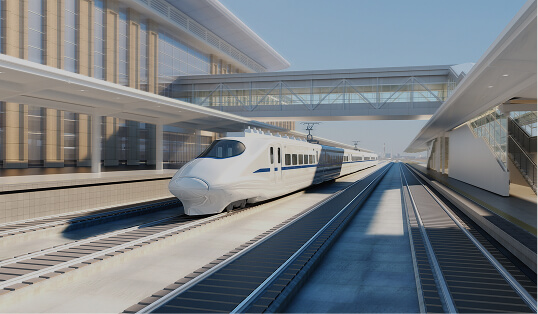
Rail Transit Application Areas
Focusing on Core Application Scenarios, Empowering Intelligent Welding for Construction Machinery
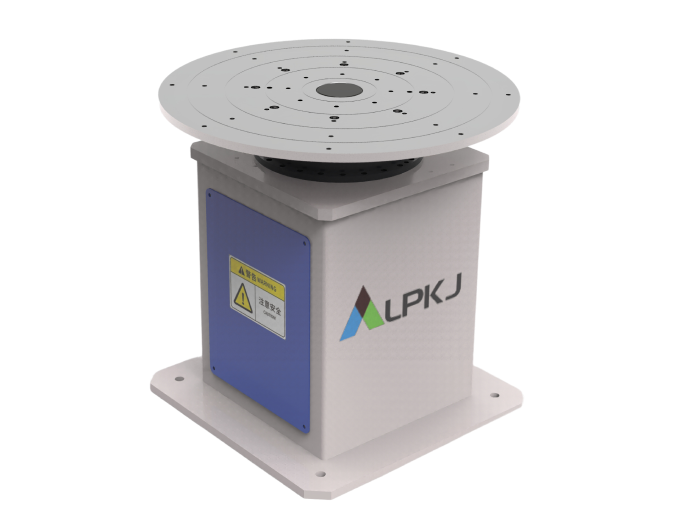
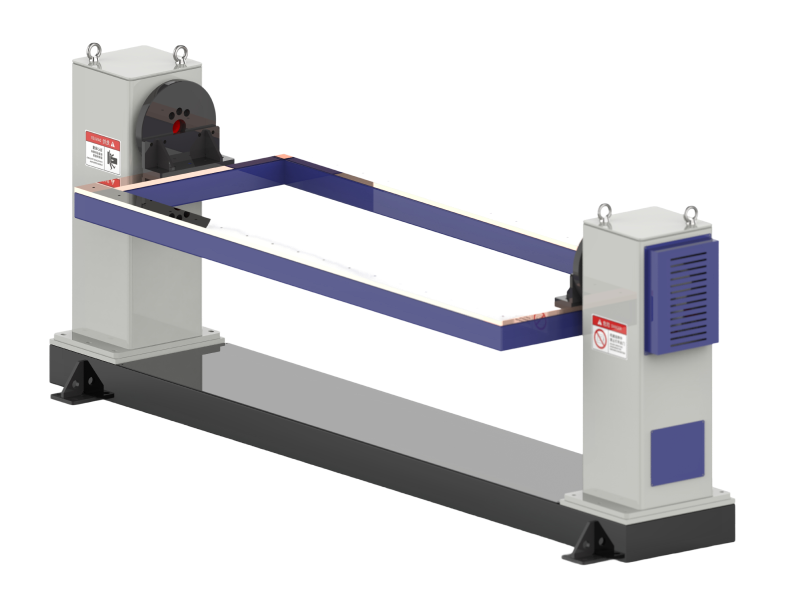
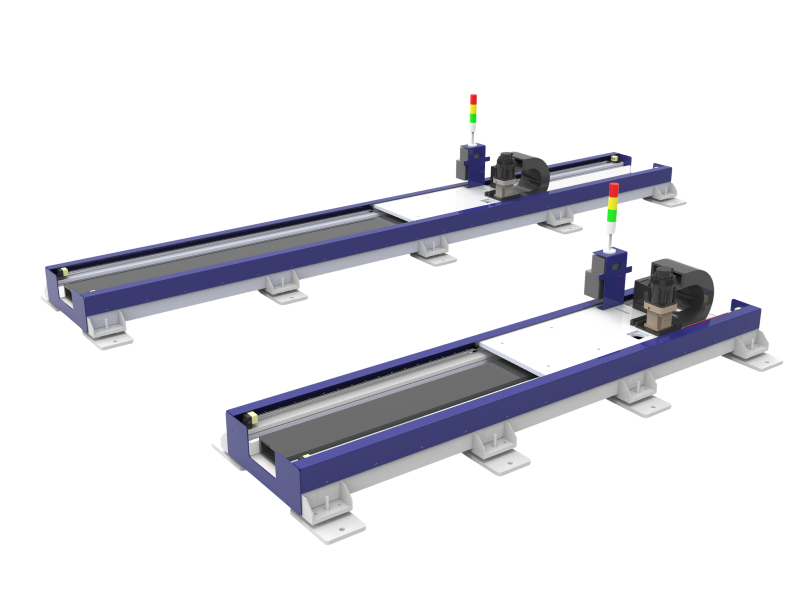
In the field of construction machinery manufacturing, welding quality directly determines the safety, load-bearing capacity, and service life of the entire machine. However, large and complex workpieces such as excavator structural parts, loader frames, and crane booms generally present technical challenges including three-dimensional weld seam distribution, variable workpiece positions, and single-piece heavy weight. Traditional manual turning or simple positioning methods are not only inefficient but also fail to ensure weld consistency and operational safety. Relying on its biaxial L-type positioner and headstock-tailstock positioner product series, Beijing Anlipu Electric Control Technology Co., Ltd. provides high-rigidity, high-precision, and easily integrated automated welding solutions for the construction machinery industry.
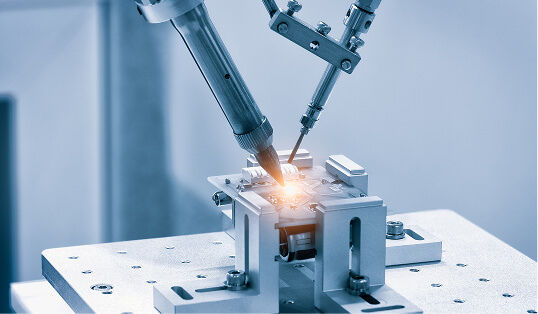
Excavator Structural Parts: Breaking Through Multi-Side Welding Bottlenecks of Arms, Sticks, and Buckets
Excavator arms and sticks are box-beam structures with weld seams concentrated on multiple planes and corners. Traditional welding requires repeated hoisting and turning. Anlipu's biaxial L-type positioner uses horizontal and vertical two-way coordinated drive to enable continuous changes in workpiece posture in space, ensuring the robot welding torch is always at the optimal welding position and allowing one-time continuous welding of main welds on both sides of the arm and internal ribs. For arc-shaped irregular workpieces like buckets, the positioner achieves precise positioning through servo control and, in coordination with the robot's external axis, effectively avoids issues like wire extension length fluctuations and undercutting defects during welding, resulting in aesthetically pleasing welds with a stable inspection pass rate above 98%.
Loader front and rear frames are often asymmetrical, large in size, with significant eccentricity. Ordinary positioners are prone to vibration at high rotation speeds or under eccentric loading, affecting welding path accuracy. Anlipu positioners employ reinforced L-arms and heavy-duty bearing seats. Critical parts of the machine undergo finite Element analysis and stress relief treatment, enabling it to handle workpieces from 3 tons to 20 tons with significantly improved eccentricity adaptability. Additionally, the equipment is standardly equipped with anti-fall safety pins and emergency stop modules, providing double protection during the flipping of large frames. It has been successfully applied in automated welding production lines for frames of several leading construction machinery manufacturers, reducing changeover time by approximately 30%.
From Single Machine to Production Line: Assisting the Construction of 'Lights-Out Factories' for Construction Machinery
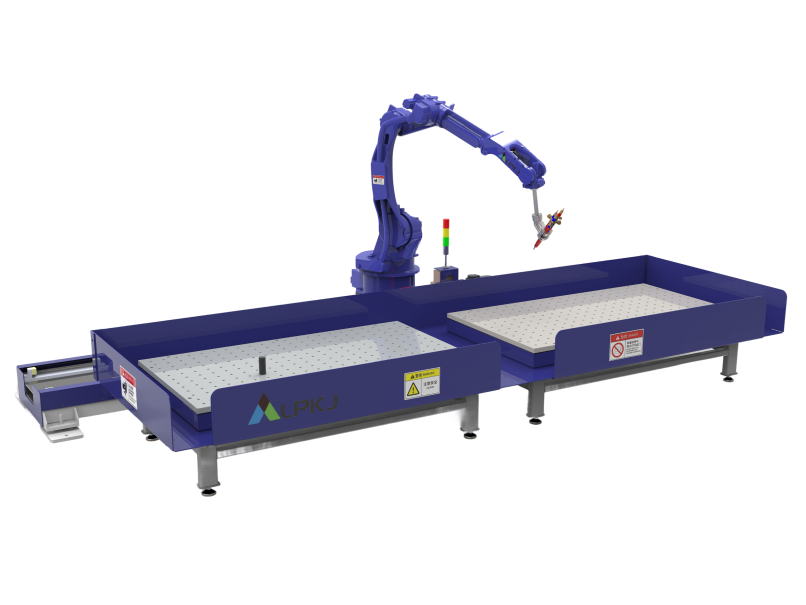
At present, Anlipu positioners are fully compatible with mainstream robot control systems (such as Fanuc, KUKA, ABB, Yaskawa) and third-party PLCs, supporting real-time communication protocols like EtherCAT and Profinet. In the intelligent production lines of leading construction machinery customers, multiple Anlipu positioners work collaboratively with robots, AGVs, welding power sources, and torch cleaning stations, realizing fully unmanned operation from workpiece loading, automatic program recognition, full-position welding to unloading and palletizing. According to statistics, after adopting Anlipu positioners, the efficiency of excavator structural component welding lines has increased by over 40%, the frequency of manual intervention has decreased by 70%, and the first-pass yield rate has increased to over 95%.
In the future, Beijing Anlipu will continue to targeting the development trends of large-scale, flexible, and digital construction machinery, and further iterate over heavy-duty positioners' dynamic response algorithms and predictive maintenance features, providing more reliable 'welding partners' for global construction machinery manufacturers.